Image Credit: Universal Pictures
The journey through the animated world of Super Mario continues with The Super Mario Galaxy Movie, the new feature film from Illumination in collaboration with Nintendo that all fans of the franchise have been eagerly awaiting. The previous film, in fact, despite appearing from the outset as a high-risk venture, had grossed record-breaking box office receipts, winning over critics and audiences alike thanks to an explosive mix of comedy, excellent animation, and careful fidelity to the lighthearted and carefree spirit that has always characterized the improbable exploits of the Italian-American plumber and his brother Luigi.
An irresistible and iconic duo, impossible not to love, who have shaped the childhoods of several generations. Will this sequel, then, manage to keep the bar high, delighting audiences once again? We’ll say it right off the bat: yes, even if, compared to the success that preceded it, it presents a few more narrative challenges.
A Threat from Space in Super Mario Galaxy
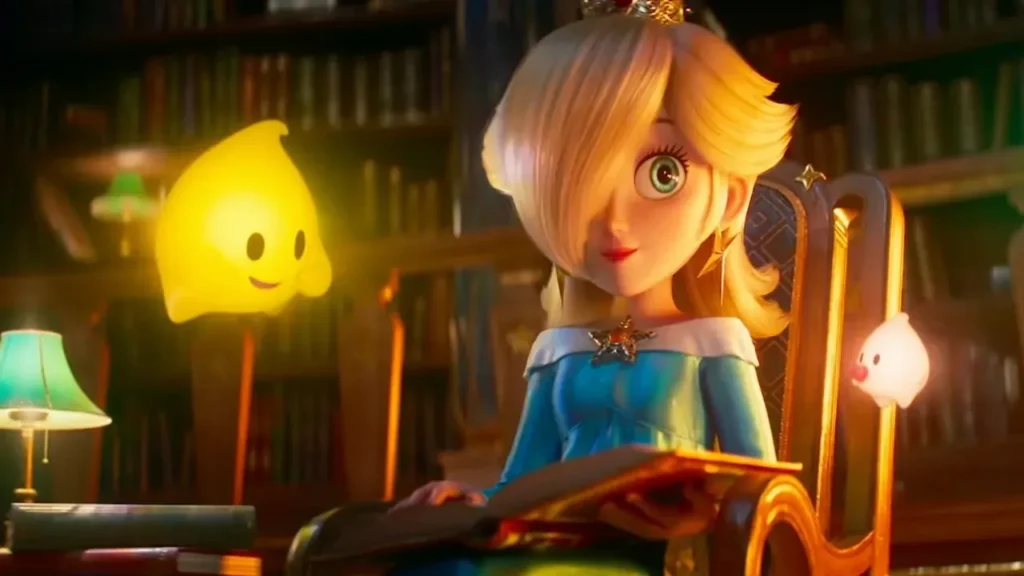
Mario and Luigi have become the heroes of the Toad Kingdom—and beyond. By traveling through pipes, they can reach all those other worlds that need their help with a wide variety of situations: from routine plumbing jobs to encounters with bizarre creatures and dangers of all kinds. One day, however, their daily routine is interrupted when a cute little star falls into Toad Land, asking Princess Peach for help to save Rosalinda.
The ruler of their planet (and their adoptive mother) has in fact been kidnapped and taken away after a fierce battle. The culprit behind this mad scheme is Bowser Jr., son of the villain who is in love with Peach, intent on freeing his father so they can destroy and rule the galaxy together. Needless to say, this marks the beginning of an absolutely wild, dynamic, and colorful adventure for our heroes, one that will lead them to explore new planets and forge unexpected friendships.
Never change a winning team
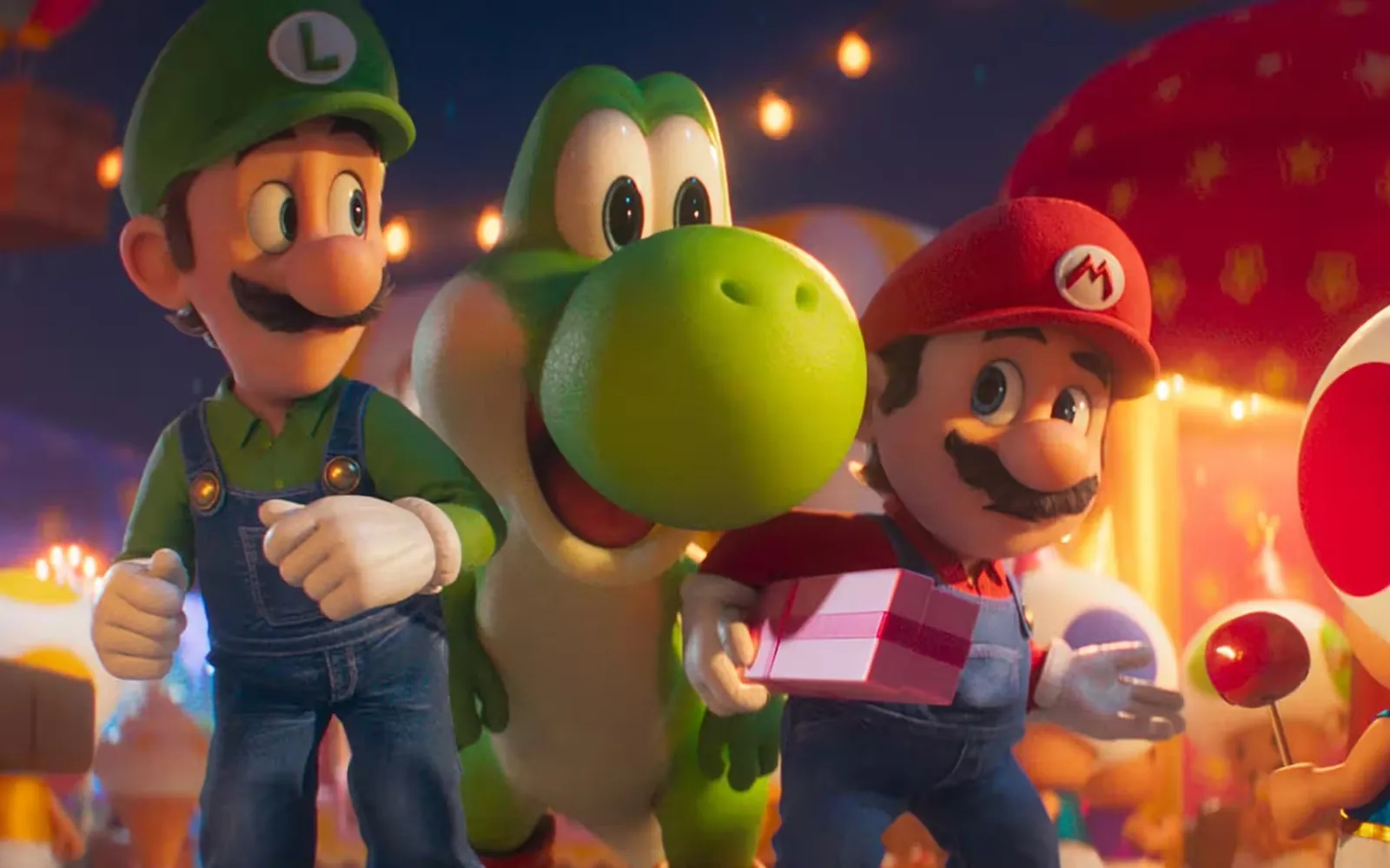
The strength of the film directed by Aaron Horvath and Michael Jelenic continues to lie in its ability to please everyone: the nostalgic fans who remember the challenge and thrill of 1980s video games, as well as the younger generations, who find immediate enjoyment in Super Mario Galaxy: The Movie thanks to the extremely physical comedy that permeates the film. Mario, Luigi, and the irresistible Yoshi—a most welcome new addition—form the perfect trio for entertaining audiences with gags where literally anything can happen. The spirit of the video game remains intact, thanks in part to highly effective visual touches that make the characters’ unique abilities—acquired by using the familiar question-mark blocks—seem “believable” on screen.
A visual triumph at the expense of the narrative
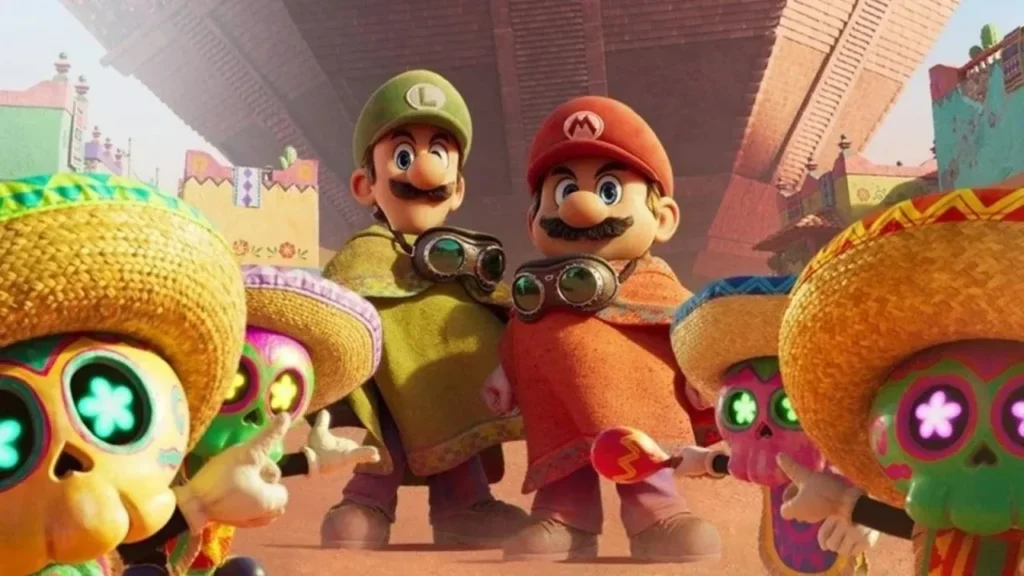
This sequel does have one flaw, however, and it has partly inherited it from its predecessor: an extremely thin story, perhaps even more so than in the first film. Of course, building a cohesive and comprehensive narrative from source material that is already quite sparse to begin with is no easy task. The film does not slavishly follow the events of the Mario Galaxy video game, but rather seeks to use its characters and settings to create something more cinematically engaging. The decision to give absolute priority to gags, action, and the visual construction of the worlds clearly penalizes the screenplay, which takes on an all-too-marginal role. Lost in a whirlwind of hilarious madness, the story ends up reducing events and plot twists to the bare minimum.
It must be acknowledged, however, that despite a certain lack of thematic depth, the animation consistently maintains an extremely high standard, enriched by the incorporation of various techniques and 2D sequences with a strong (and very welcome) vintage feel. It is precisely these technical elements, in fact, that shine in this feature film, which quickly becomes a feast for the eyes and proves highly satisfying for all animation enthusiasts.
Other standout elements include the numerous cinematic references (some obvious, others more subtle) and the soundtrack, which reimagines the most famous themes from various eras in ever-changing ways. Super Mario Galaxy is, ultimately, the film you’d expect: incredibly entertaining without being particularly deep. A product designed for children, but ultimately capable of drawing even adults into an irresistible whirlwind of nostalgia.
Conclusions
This new installment from Illumination and Nintendo proves to be a visual triumph and a distillation of pure entertainment, capable of combining nostalgia for adults with immediate fun for children. Despite top-notch animation, brilliant directorial touches, and an excellent soundtrack, the film suffers from an extremely thin script. Narrative and thematic depth are, in fact, almost entirely sacrificed in favor of a frenetic pace and constant physical gags, resulting in a work that is aesthetically satisfying but narratively lacking.
About the Author